by Katharina Poppinger
The short answer: a colourful mix of academic work, workshops, organisation, and new ideas.
My name is Katharina, and from March to August 2026 I had the opportunity to support Stabil im Kopf as its first intern. A large part of my internship consisted of not only getting to know Stabil im Kopf's workshops, but also helping to shape and deliver them myself. Before I took over my first workshop on my own, I was first allowed to shadow two workshops. In the second workshop, I was already able to take over a part myself. This gave me the opportunity to grow step by step into the role of a Stabil im Kopf trainer and at the same time to experience how differently classes and groups respond to the various methods.
But a workshop of course involves more than the time you actually spend working directly with the young people. Beforehand, it means: reading the concept, getting to know the content and methods, preparing flipcharts, printing worksheets, and considering whether the content fits the respective age group, class, and the concrete needs of the children and young people. Ideally, you exchange ideas with other trainers: What works particularly well? Where might a class need more time? Which method is better explained a little differently?
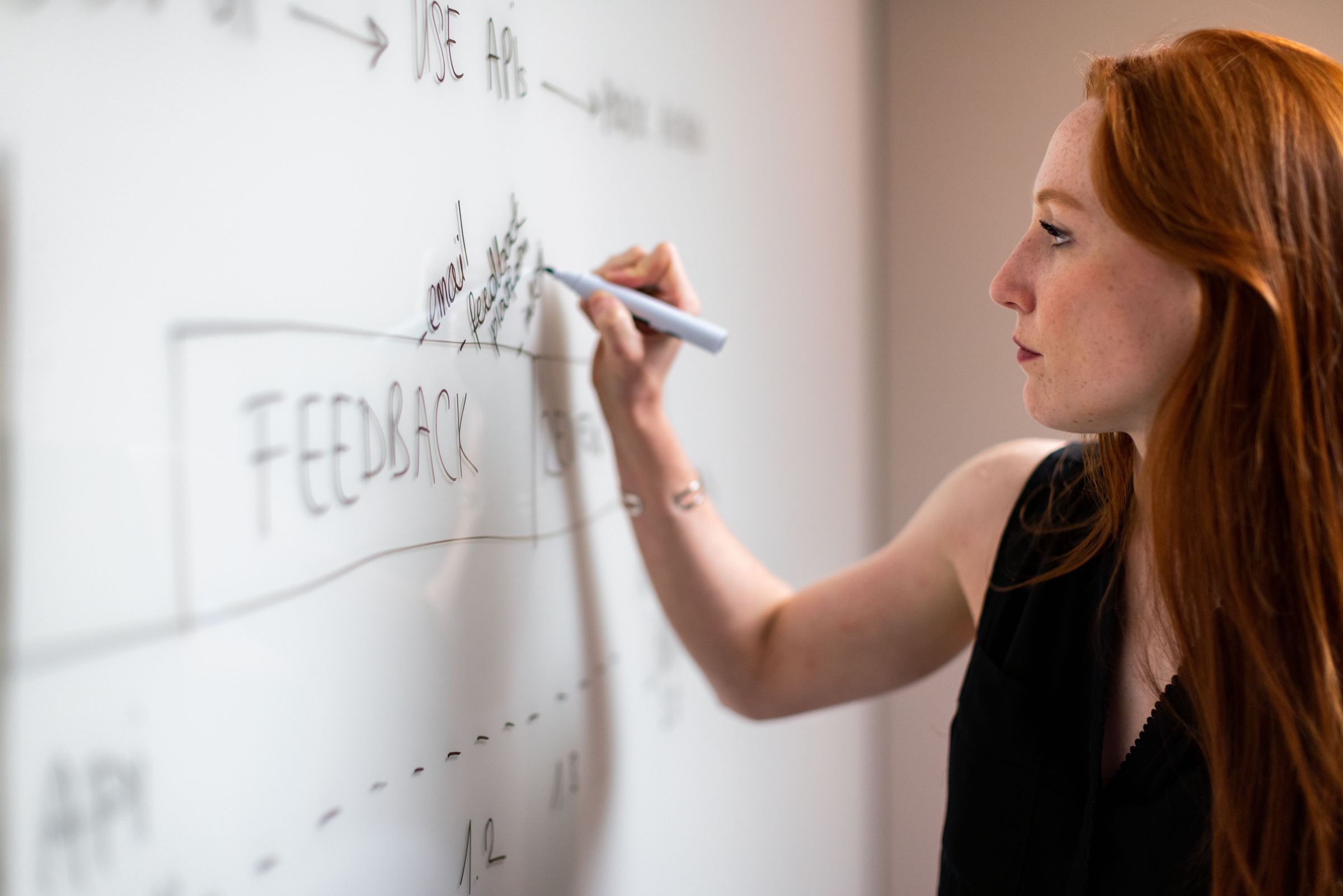
In parallel, I was able to work on a larger project on impact measurement. The question was: which skills do our Stabil im Kopf workshops train concretely? I engaged with academic literature, conducted interviews with trainers, and analysed existing workshop concepts. From this, the existing idea of making the impact of the workshops more visible through concrete SkillsBuilder skills and observable behaviour was developed further. The SkillsBuilder framework provides a shared language for systematically describing transferable skills such as teamwork or dealing with change. I examined which skills are already being trained in the various workshops and how these can be made even more visible. This resulted, for example, in observation sheets for trainers to use during the workshop. What was always important: the impact measurement should be academically sound and at the same time remain uncomplicated enough to work in real everyday educational practice.
Alongside these projects, there was also room for further training and networking. I took part in various SkillsBuilder events and prepared an input on developmental psychology for the Trainer Academy in September 2026. In doing so, I was able to combine content from my psychology studies at the University of Vienna with the practical work at Stabil im Kopf. What was particularly exciting for me was that, as the first intern, I was able to work very independently and contribute my own ideas. My internship therefore did not just consist of working through existing tasks. I was also able to help think about which projects and processes could be useful for future interns.
So what does an intern at Stabil im Kopf actually do? Prepare and deliver workshops, research, measure impact, map skills, (further) develop materials, gather feedback, attend events, try out ideas – and keep asking the question:
How can we help children and young people as effectively as possible to build stable relationships with themselves and others and to strengthen their mental health in a lasting way?